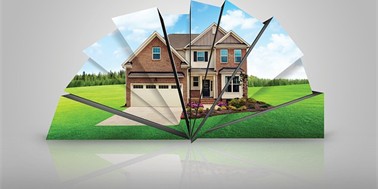
Boosting the Rental Potential of Your Building: Key Renovation Strategies
In a context where rental market competition is increasing and tenant expectations are constantly evolving, enhancing the value of a building increasingly depends on the quality of the renovation work undertaken. Whether it involves improving comfort, reducing energy consumption, or modernizing facilities, certain targeted investments can significantly increase a property’s rental value. Identifying the most relevant types of work is therefore a key lever for optimizing profitability and ensuring the long-term sustainability of the property owner’s real estate assets.
Renovation Works That Increase the Rental Value of a Building
The works that increase the rental value of a building are those that aim to:
-
increase the potential rent,
-
reduce rental vacancy,
-
or enhance the property’s resale value.
1. Energy-Efficiency Renovations (Highly Valuable)
These works now have a direct impact on rent levels, tenant demand, and legal compliance.
Examples:
-
Thermal insulation (walls, roof, attics, floors)
-
Replacement of windows (double or triple glazing)
-
Installation or modernization of the heating system (heat pump, condensing boiler, etc.)
-
Efficient hot water systems (thermodynamic water heater)
-
Improved ventilation (double-flow mechanical ventilation system)
Advantages:
-
Improves the building’s energy performance rating (EPC)
-
Prevents rental restrictions on energy-inefficient properties
-
Makes the property more attractive and often allows for higher rent
2. Comfort and Aesthetic Improvements
These are the most visible to tenants and give the property a refreshed and modern appearance.
Examples:
-
Repainting walls, ceilings, and floors
-
Installing a modern fitted kitchen
-
Renovating the bathroom
-
Optimizing lighting (LED, warm ambiance)
-
Adding built-in storage spaces
Advantages:
-
Possible rent increase of 5% to 15%
-
Reduces tenant turnover (tenants stay longer)
3. Interior Layout Improvements
These works increase the usable space or functionality of the dwelling.
Examples:
-
Creating an additional room (light partition wall)
-
Converting attics or basements
-
Opening the kitchen to the living room (open-plan space)
-
Adding an extra bathroom
-
Optimizing layout in small apartments
Advantages:
-
Improves profitability (more usable square meters)
-
Attracts tenants willing to pay higher rents
4. Works on Common Areas or Exteriors
Especially relevant for entire buildings, these renovations enhance the overall image and value of the property.
Examples:
-
Façade renovation / external insulation
-
Roof refurbishment
-
Refurbishment of common areas (painting, flooring, lighting)
-
Installation of an intercom system or modern mailboxes
-
Creation of bike rooms, cellars, or laundry areas
Advantages:
-
Better building image = higher rents and lower tenant turnover
5. Technical Modernization or Adaptation Works
These works may not be immediately visible but significantly improve safety and overall comfort.
Examples:
-
Upgrading electrical and plumbing systems
-
Installing fiber optics, Ethernet ports, or smart home systems
-
Securing entrances (keypad entry, reinforced doors)
-
Installing an elevator in some cases
Advantages:
-
Long-term added value
-
Increased appeal for modern tenants
6. Short-Term “Profitable” Works
Certain investments have an immediate effect on rental profitability.
Examples:
-
Dividing a large unit into several smaller ones (shared housing, studios)
-
Switching from unfurnished to furnished rentals (furniture + appliances)
-
Creating a coworking space or a commercial unit on the ground floor
Advantages:
-
Direct increase in rental income
-
Better optimization of the property according to local demand
In Summary:
Renovation works that combine energy performance, comfort, and functionality offer the highest return on investment. By prioritizing upgrades that improve both efficiency and tenant experience, property owners can significantly increase rental value, reduce vacancies, and enhance long-term asset appreciation.